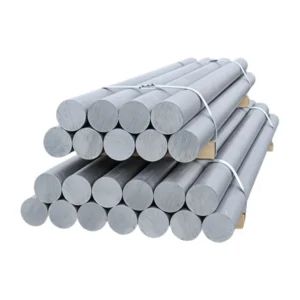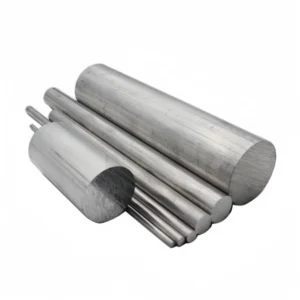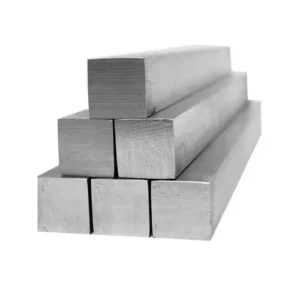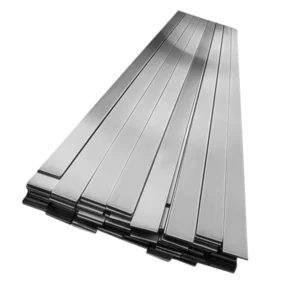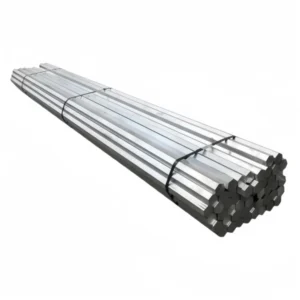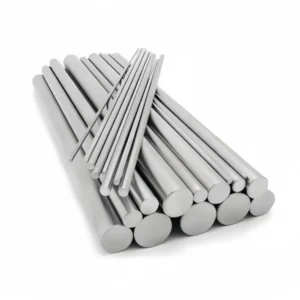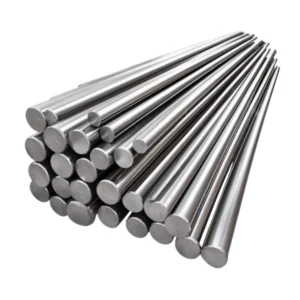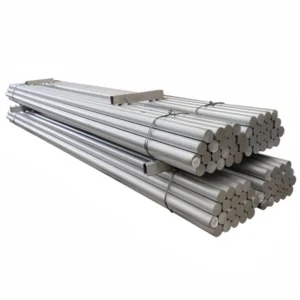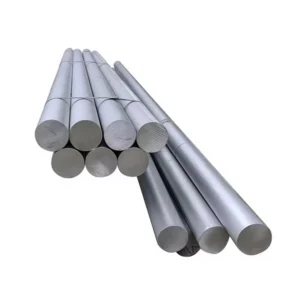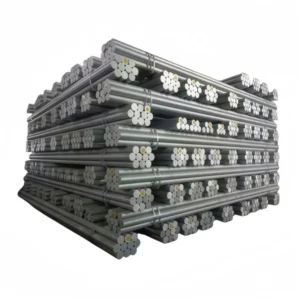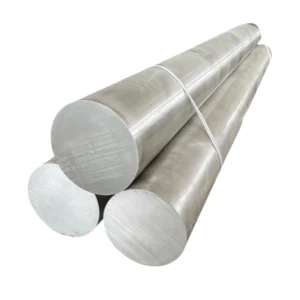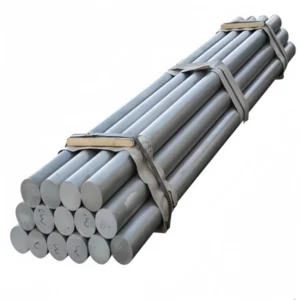

Aluminum bars are a core raw material in aerospace, automotive manufacturing, construction formwork, and machining industries, and their quality directly determines the performance and safety of the final products. Since aluminum bars are typically produced through extrusion, forging, or casting processes, their internal structure, chemical composition, and surface condition are prone to fluctuations. Therefore, a scientific and systematic quality inspection system is crucial. Below are the main aluminum bar quality testing method used in our factory:
Comprehensive Aluminum Bar Testing Method System
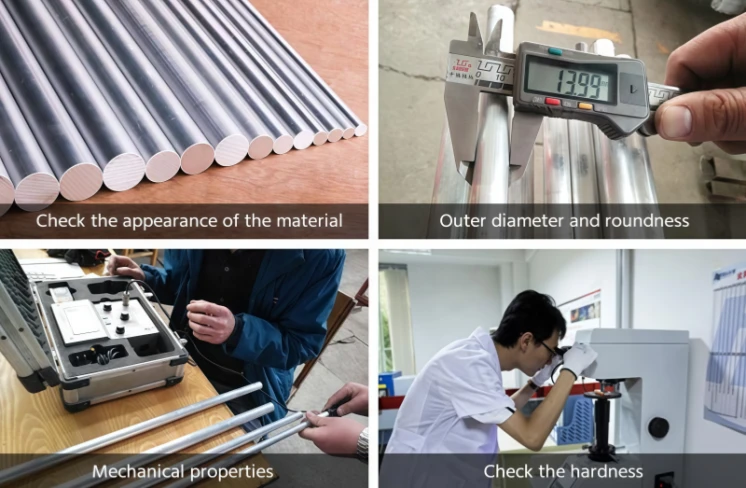
HSTF systematically introduces our aluminum bar testing methods and judgment standards from five core dimensions: chemical composition analysis, mechanical property testing, internal defect detection, dimensional and visual inspection, and microstructure examination.
1. Chemical Composition Analysis
Chemical composition is the fundamental factor determining the corrosion resistance, strength, and processing performance of aluminum rods. Different grades of aluminum alloys (such as 6061, 6063, 7075, etc.) have strict requirements for the content of alloying elements, and the testing must be accurate and thorough.
- Direct-reading spectroscopy (OES): This method uses high-voltage electricity to excite the surface of an aluminum rod sample, causing atoms to emit characteristic spectra. Technicians measure the intensity of the spectra to quantitatively analyze the content of each element.
- X-ray fluorescence spectrometry (XRF): This method uses X-rays to excite a sample to produce secondary fluorescence, and then analyzes the types and amounts of elements by energy dispersive spectroscopy.
- Wet chemical analysis (titration/spectroscopy): mainly used for arbitration analysis or precise determination of specific elements (such as high content of Mg and Zn).
2. Mechanical Property Testing
Mechanical properties are the key criteria for evaluating whether an aluminum bar can withstand loads and processing deformation, and mainly include tensile properties and hardness.
- Tensile test : tensile strength (Rm), yield strength (Rp0.2), elongation after fracture (A).
- Hardness testing: Commonly used methods include Brinell hardness (HBW) and Webster hardness (HW).
3. Internal Defect Detection
If there are defects such as pores, inclusions, cracks or looseness inside the aluminum rod, it will significantly reduce its mechanical properties and fatigue life. Therefore, internal quality inspection is particularly important.
- Ultrasonic testing (UT): High-frequency sound waves propagate through materials and generate reflected echoes when they encounter defect interfaces. The location, size, and type of defects are determined by analyzing the echo signals.
- High penetrating power, capable of detecting internal defects throughout an entire aluminum rod;
- Accurate positioning, capable of generating defect distribution maps.
- Low-magnification microstructure inspection (macro-acid etching test): After operators mill and polish the cross-section of the aluminum rod, they etch it with a mixed acid solution and examine the macro-structure, allowing them to identify defects:
- Central porosity and shrinkage cavities;
- Porosity and inclusions;
- Grain size and uniformity;
- Streamline distribution and extrusion defects.
4. Size and Appearance Inspection
Dimensional deviations and surface defects directly compromise the accuracy of subsequent machining and assembly quality; therefore, inspectors must include them as routine inspection items for every batch of aluminum bars.
- Dimensional measurements: diameter (or side length), straightness, bevel, length.
- Surface quality inspection: cracks, peeling, bubbles, scratches, dents, corrosion spots, etc.
Closely monitor diameter tolerances and curvature to prevent deviations from affecting machining allowances. Cracks and peeling that negatively impact mechanical properties are not permitted.
5. Microscopic Tissue Examination
The microstructure determines the strengthening and toughening mechanism and heat treatment response of aluminum rods, and is an important testing item for high-quality aluminum rods.
- Metallographic microscopy observation
- Grain size assessment
6. Testing Process
- Incoming Inspection: Chemical composition (OES/XRF) + dimensions + appearance + hardness sampling inspection.
- Critical Application Aluminum Rods (e.g., aerospace, high-strength structures): In addition to the above, tensile testing + ultrasonic testing + microstructure inspection if necessary.
- Periodic Sampling Inspection: For the same melting point or heat treatment batch, samples are randomly selected for full-item testing.
- Provide testing certificates as required by the client.
HSTF Hot Products
Shandong Heshengtaifu Aluminum Group Co., Ltd. is a leading aluminum bar factory supplier in China. We specialize in the production, processing, and trading of aluminum alloys. With over 18 years of experience in the aluminum industry and a rigorous quality testing system. We can provide a full range of high-quality aluminum alloy bars at competitive prices. We are committed to taking full responsibility for any quality issues.