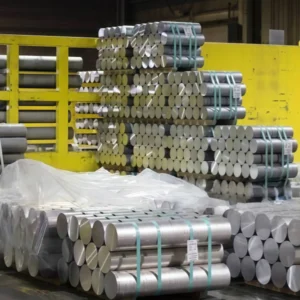
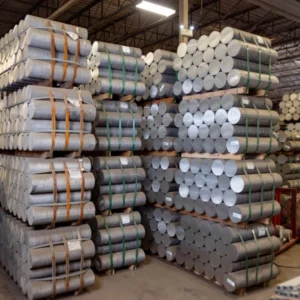

Aluminum Billet
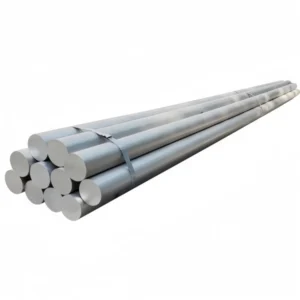
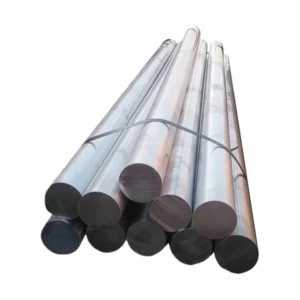
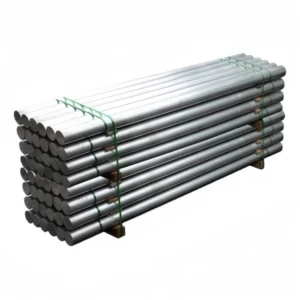
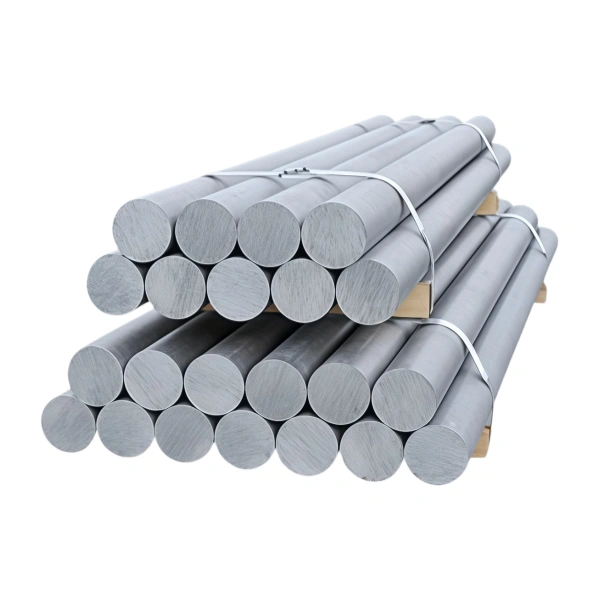
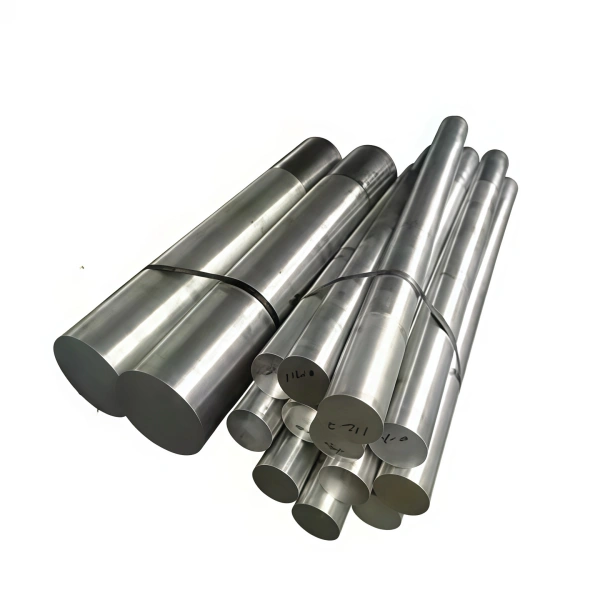
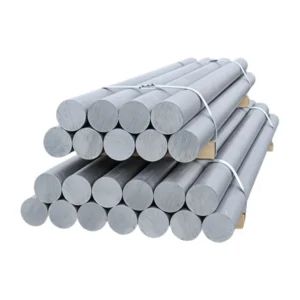
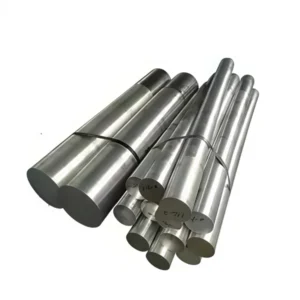
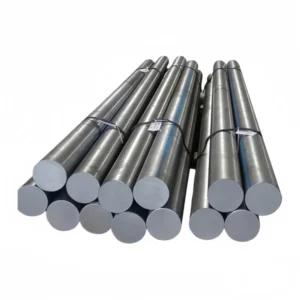
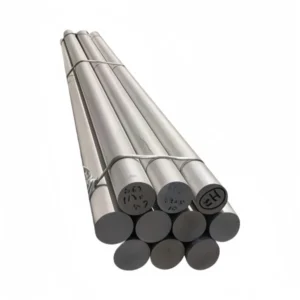
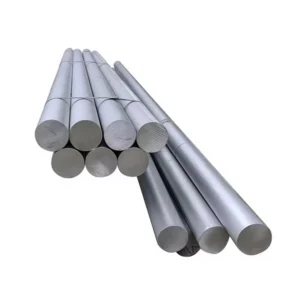
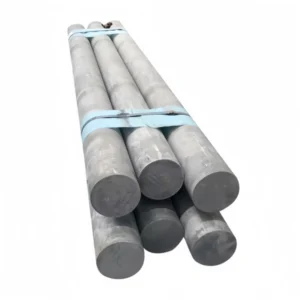
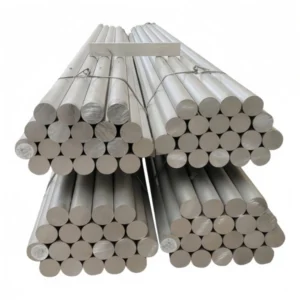
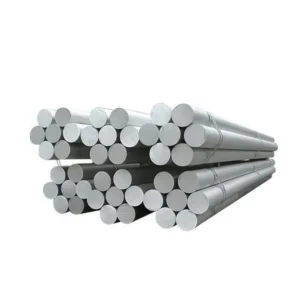
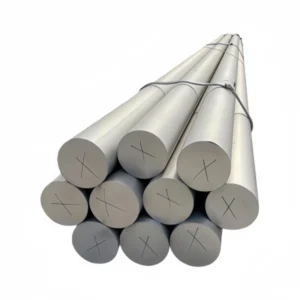
Aluminum alloy billet is semi-finished aluminum products produced through continuous casting or direct cold casting processes, typically with a round cross-section and elongated shapes. They are the fundamental raw material for the entire aluminum processing industry, and aluminum billets can be further processed into profiles, tubes, bars, and other engineered products.
We offer a comprehensive portfolio of alloys across all major series (2xxx, 3xxx, 5xxx, 6xxx, and 7xxx), each tailored to specific downstream applications. Whether your requirements are high conductivity, marine-grade corrosion resistance, or aerospace-grade strength, selecting the right aluminum billet alloy is the first and most critical step in the manufacturing chain.
Our aluminum billet conform to international standards such as ASTM, EN, and ISO. We offer various specifications to meet different application needs and can customize cuts upon request.
Advantage |
Description |
|
Superior Metallurgical Quality |
Consistent chemical composition and optimized grain structure ensure predictable flow stress during extrusion/forging, reducing press forces and improving die life. |
|
Excellent Surface & Internal Integrity |
Scalping option removes casting skin and subsurface defects, resulting in a pristine surface on the final extruded profile or forged part. |
|
Enhanced Processability |
Homogenized billets offer more uniform deformation, reduced risk of cracking, and improved mechanical properties post-forming and heat treatment. |
|
Full Traceability |
Each billet is fully traceable to its original cast, with provided documentation (Mill Certificates) detailing chemistry, properties, and production history. |
|
Customization & Flexibility |
Available in a wide spectrum of alloys, diameters, lengths, and tempers to precisely match your specific press, die design, and end-product requirements. |
HSTF is a high-quality aluminum alloy billet supplier and manufacturer in China. Backed by a comprehensive inventory and flexible customization capabilities, we dedicate ourselves to supplying each customer with premium aluminum rods and customized solutions. Contact us today for a detailed quote and personalized support to make your project more competitive!
Specification
| Category | Details |
| Available Alloys | Full Spectrum: 1050, 1060, 1100, 2011, 2014, 2024, 3003, 3103, 5005, 5052, 5083, 5182, 5754, 6060, 6061, 6063, 6082, 6463, 7003, 7020, 7075, 7050, 7475 |
| Common Tempers | F (As Fabricated), O (Annealed), T4, T5, T6, T651, T7351 |
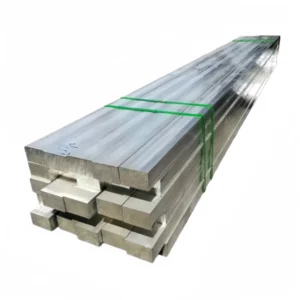
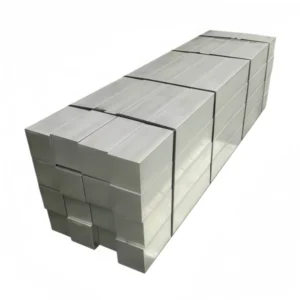
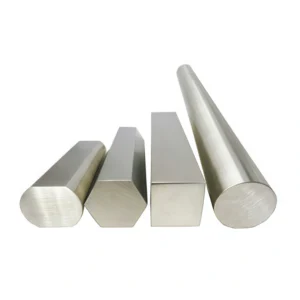
| Diameter / Size | Round Billets: 82mm – 620mm Square / Rectangular Billets: Custom dimensions available |
| Length | 500 mm – 7,500 mm |
| Chemical Composition | Controlled to strict international standards (ASTM, EN, ISO). |
| Microstructure | Fine, equiaxed grain structure. Homogenized structure with minimal segregation. |
| Surface Condition | As-cast, Scalped (machined), or Homogenized. |
| End Treatment | Plain cut, chamfered edges. |
| Dimensional Tolerances | Diameter: ±1.0% to ±2.0%. Length: +25mm / -0mm. Straightness: ≤ 2mm per meter. |
| Marking & Identification | Alloy, heat/lot number, length, weight clearly stamped or tagged. |
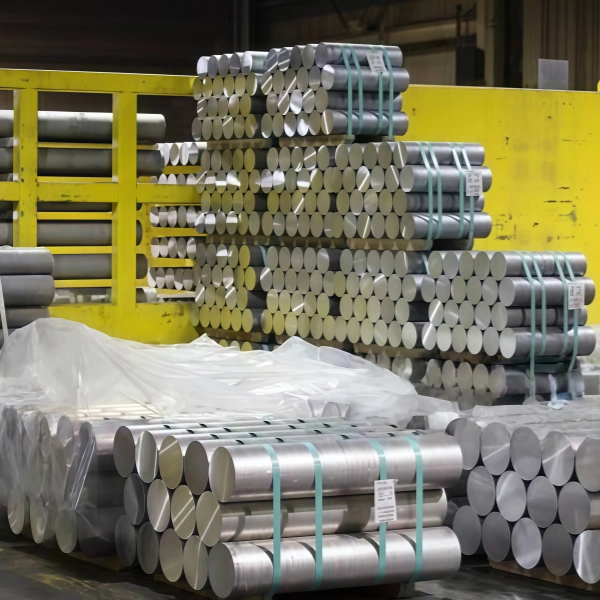
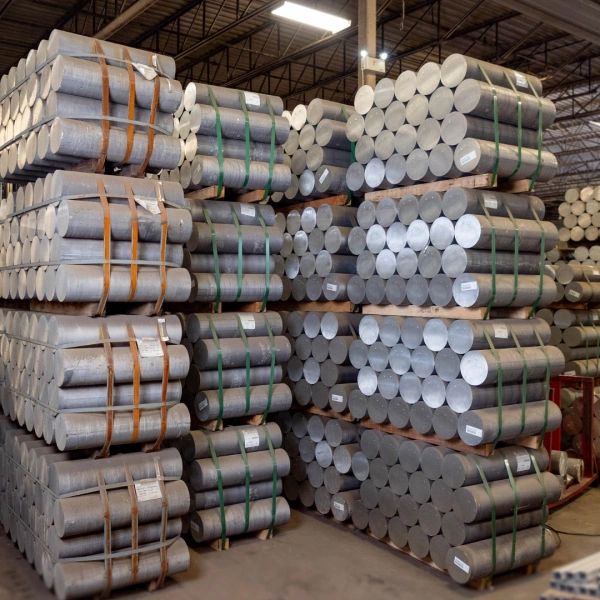
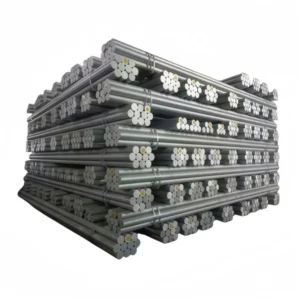
| Packaging | Individual strapping, bundled on wooden cradles, protected with VCI paper and heavy-duty plastic wrap. |
HSTF Aluminum Billets Manufacturing Process
| Process | Details |
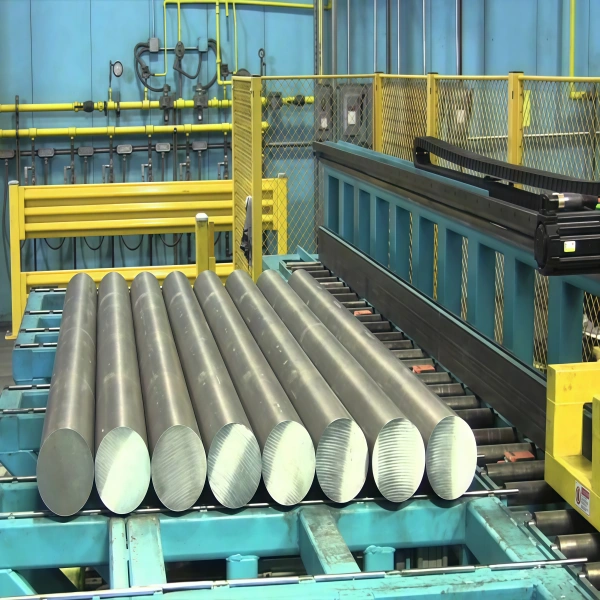
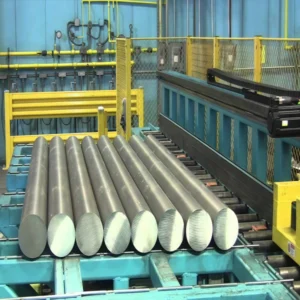
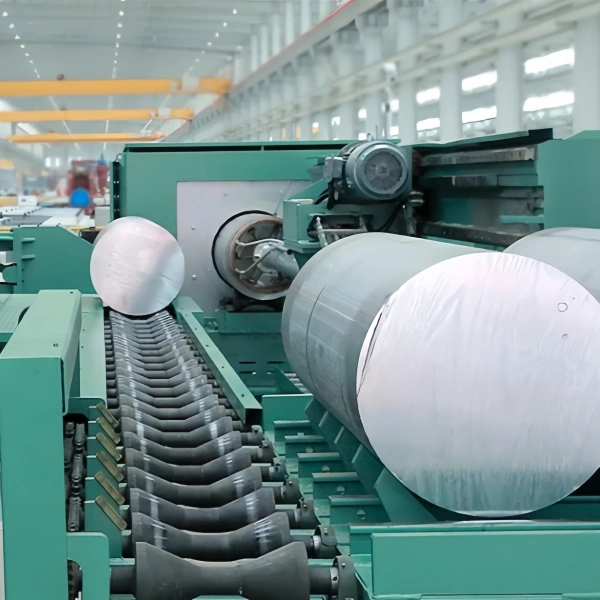
| Continuous Casting | HSTF’s continuous casting process involves continuously pouring molten aluminum into a water-cooled mold, achieving rapid and uniform solidification. The billets produced by this method have fine grains and consistent dimensions, making them ideal for high-volume production. It is particularly suitable for industries such as aerospace and automotive, where material uniformity and high precision are critical. |
| Direct Chill Casting | In direct chill casting, molten aluminum is poured into a preheated mold and rapidly cooled by water quenching or natural cooling. This simple and cost-effective process is ideal for applications requiring high-quality microstructures and faster production speeds. It is widely used in industries such as construction and consumer electronics, ensuring material purity while meeting customized needs. |
| Semi-Continuous Casting | HSTF’s semi-continuous casting process combines the advantages of continuous and intermittent casting. Through segmented production, it provides enhanced dimensional control and uniformity of internal structure. This method is particularly suitable for producing large-diameter billets or billets made of special alloys, providing reliable quality for a wide range of industrial applications, including heavy equipment and high-load structural components. |
HSTF Main Aluminum Billet Main Alloy Series
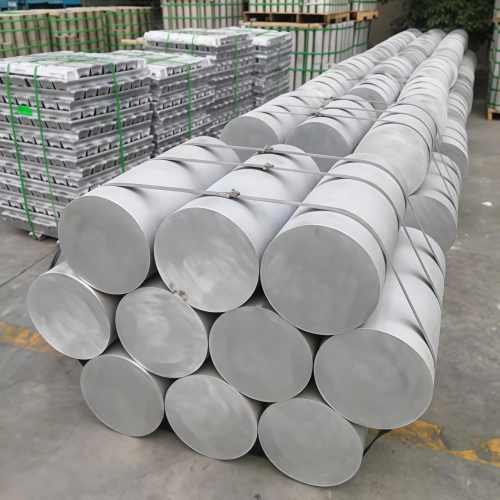
2000 Series Aluminum Billets
Adding copper significantly reinforces the 2000 series aluminum profiles, boosting their tensile strength and stiffness. Engineers and designers widely apply this series in aerospace and high-performance structural components. While it possesses high strength, its corrosion resistance is relatively low, typically requiring additional surface treatments to enhance durability.
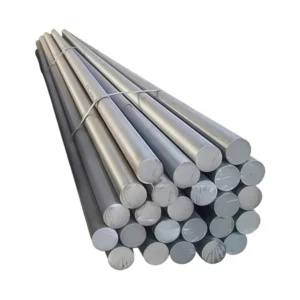
7000 Series Aluminum Billets
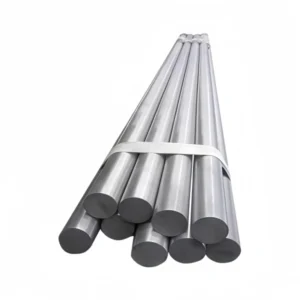
7000 series aluminum alloys are strengthened with zinc, providing extremely high strength and fatigue resistance, making them ideal for aerospace and military applications. Although they are slightly more difficult to process, they offer unparalleled advantages in applications requiring extremely high strength.
Application
Aluminum billets, as high-quality semi-finished raw materials, possess excellent mechanical properties and processing stability after advanced casting and homogenization treatment. They are not only ideal raw materials for processes such as extrusion, forging, and turning, but also provide reliable performance guarantees for various finished products.
Subsequent Processing Technologies
Aluminum Profile Extrusion
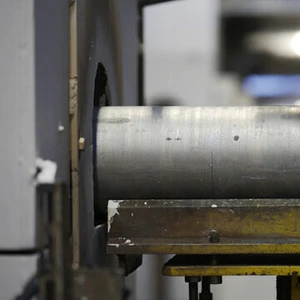
Manufacturers extrude aluminum billets into products such as building doors and windows, industrial profiles, radiators, and solar panels. Continuous casting and homogenization processes ensure consistent dimensional dimensions and a smooth surface.
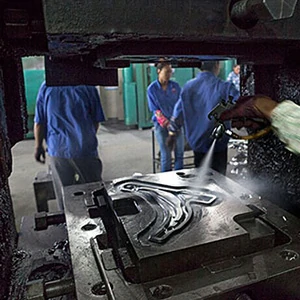
Forging Processing
Through forging, aluminum billets can be used to produce critical components such as aerospace parts, automotive wheels, structural supports, and drive shafts. Their high strength and fatigue resistance ensure the stability of these parts under heavy loads.
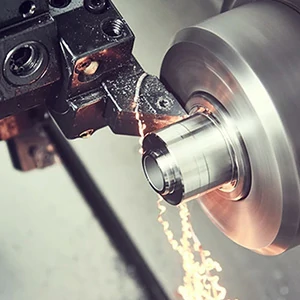
CNC Turning
Aluminum billets are suitable for high-precision turning and are commonly used to produce grooved, knurled, threaded, tapered parts and various shaft components. The homogenized aluminum billet ensures high machining accuracy and stable part dimensions, meeting the stringent requirements of complex parts.
Industry-Specific Applications
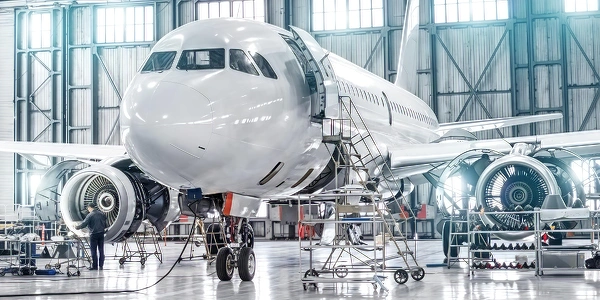
Aerospace Industry
Aircraft-grade billets are used to manufacture aircraft structures, spars, landing gear, and internal components. 7075 steel billets possess high strength and fatigue resistance, meeting extreme load and safety standards. Their stable and uniform properties ensure dimensional consistency, making them ideal for aerospace applications.
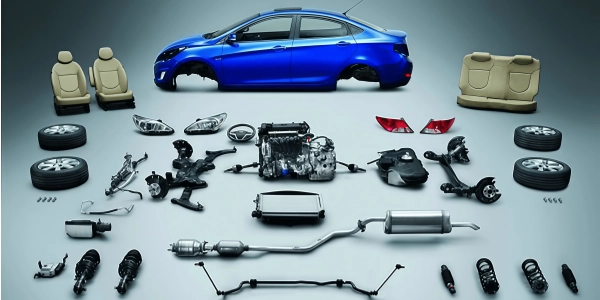
Automotive Industry
Aluminum billets are forged and turned to produce engine parts, chassis, wheels, manifolds, and transmission systems. This reduces weight, improves fuel efficiency, and enhances safety. Their excellent machinability ensures high precision and durability during turning, grooving, knurling, and threading processes.

Construction Industry
In construction, manufacturers use 6061 extruded blanks to produce doors, windows, curtain walls, beams, columns, and decorative elements, achieving both structural stability and aesthetic appeal. Their corrosion resistance and strength make them ideal for modern building and infrastructure projects.
Electronics & Appliances
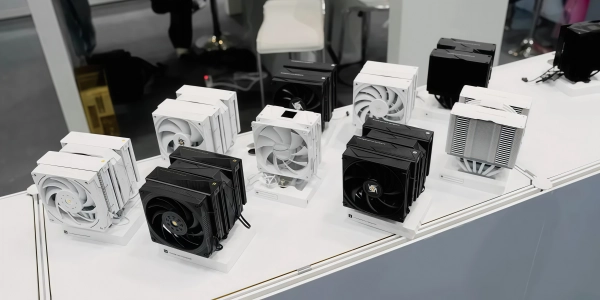
Precision-machined homogeneous aluminum billets are used in electronic device housings, heat sinks, and critical components, offering excellent thermal conductivity and durability. Their stable performance and high surface quality make them ideal for home appliances and consumer electronics.
Industrial Manufacturing
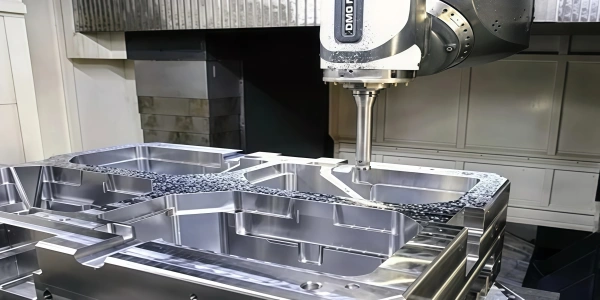
Aluminum billets are essential for the production of molds, tools, machinery, and automation components. Their uniformity and machinability ensure high precision and stability. CNC machining shops employ custom-made aluminum billets to fabricate precision parts like shafts, tapered components, and threaded elements.
HSTF’s aluminum extrusion billets, with advanced processes, strict quality inspections, and customized services, provide high-performance, stable, and reliable raw materials for various industries. Contact us now for professional material selection advice and customized quotations!
Why Choose HSTF Aluminum Billets?
Diverse Manufacturing Processes – HSTF operate advanced continuous casting, direct chill casting, and semi-continuous casting production lines, providing flexibility to switch between process modes to meet both small-batch prototyping and large-scale stable production needs. Our versatile processes guarantee excellent metallurgical performance in aluminum billets across different diameters and alloys.
Superior Material Properties – Each aluminum billet undergoes high-temperature homogenization annealing, significantly reducing alloy segregation and optimizing grain structure. This treatment enhances plasticity and uniformity in the billets, making them ideal for subsequent extrusion, forging, and machining.
Competitive Price – The mature supply chain system ensure that our products are highly competitive in cost and price.
Strict Process Control and Comprehensive Testing – HSTF implements online temperature monitoring, automated skinning, ultrasonic flaw detection, metallographic analysis, and hardness testing throughout production, ensuring that each billet is free from cracks, inclusions, and meets stable mechanical properties. Our ISO 9001, AS9100, and NADCAP certifications ensure quality assurance across all products.
Flexible Customization Services – As the source manufacturer of aluminum billets, HSTF offers customization of diameter, length, alloy composition, and heat treatment state according to customer requirements, maximizing material utilization and reducing processing costs. Whether for standard specifications or special needs, we can respond quickly and provide one-stop solutions.